
A Learning Management System (LMS) provides a centralized platform for delivering, managing, tracking, and optimizing learning programs. Modern LMS platforms help organizations improve employee onboarding, compliance training, leadership development, certification programs, and workforce productivity.

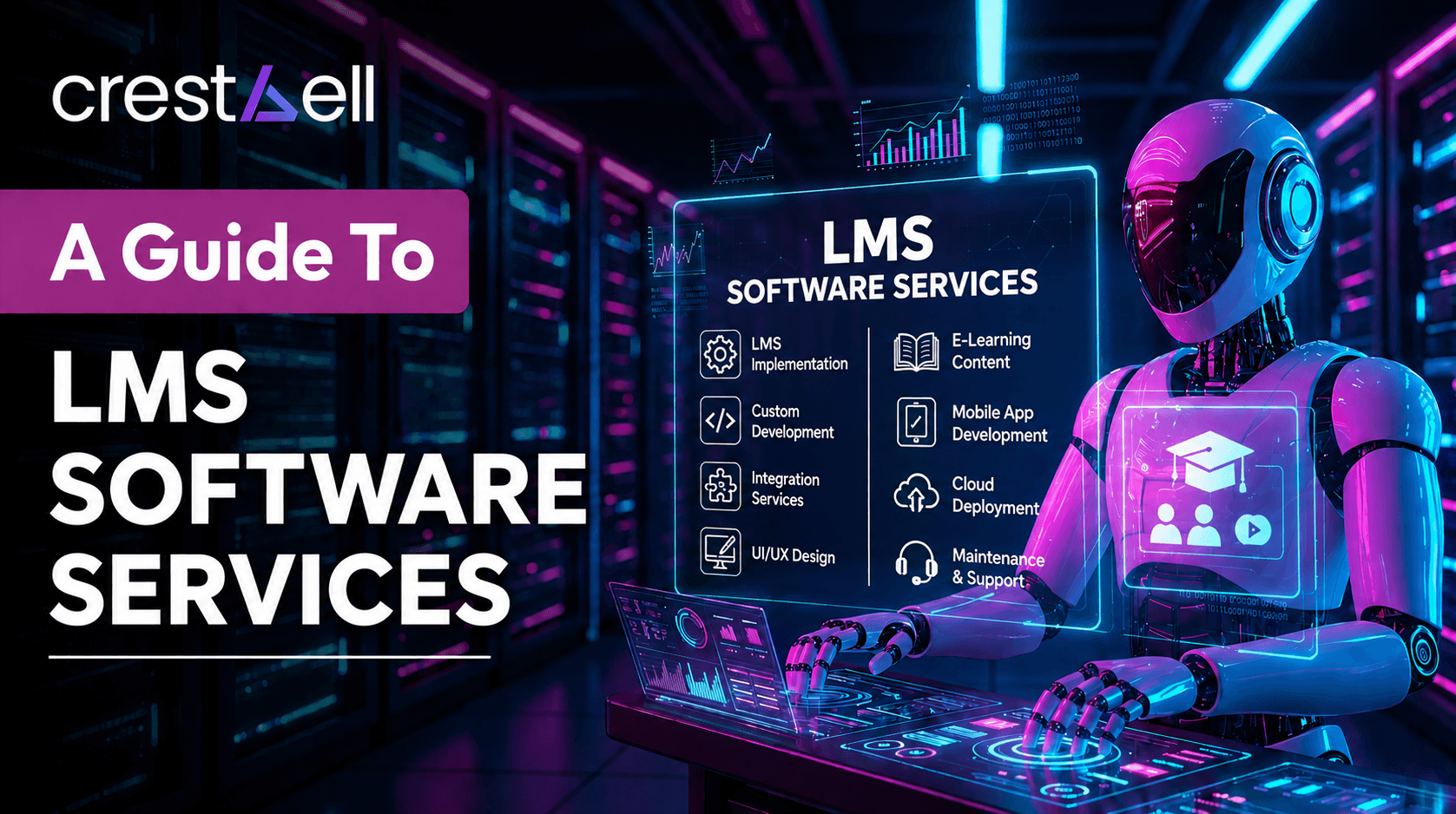
LMS Development Services: How Modern Learning Management Systems Improve Employee Performance and Training ROI
Organizations today operate in an environment where continuous learning is essential for success. Rapid technological advancements, changing regulations, remote work models, and evolving customer expectations require employees to constantly update their skills.
What is a Learning Management System (LMS)?
A Learning Management System is a digital platform that allows organizations to create, manage, deliver, and monitor learning content.
Benefits of LMS
Faster Employee Onboarding
Improved Compliance Management
Continuous Learning Culture
Higher Employee Engagement
Reduced Training Costs
Better Learning Analytics
Key LMS Features
Course Management
Learning Paths
Assessments and Quizzes
Certification Tracking
Mobile Learning
Reporting Dashboards
Gamification
AI-Powered Learning Recommendations
LMS Trends in 2026
AI-Powered Personalized Learning
Microlearning
Mobile Learning
Social Learning
Gamification
Learning Experience Platforms (LXP)
Why Crestbell for LMS Development?
Crestbell develops scalable and secure LMS platforms tailored to organizational requirements. Our LMS solutions improve learning outcomes, workforce readiness, and business performance.
Conclusion
A modern LMS is a strategic investment that enables workforce development, improves employee engagement, ensures compliance, and supports organizational growth.
LMS software is a platform used to create, manage, deliver, and track learning programs.
It improves employee development, compliance management, and training effectiveness.
Yes, modern LMS platforms can integrate with ERP, HRMS, CRM, and third-party systems.